You may recall that Coloradans recently defeated an anti-fur ballot initiative, and probably assume that the state is safe for… Read More
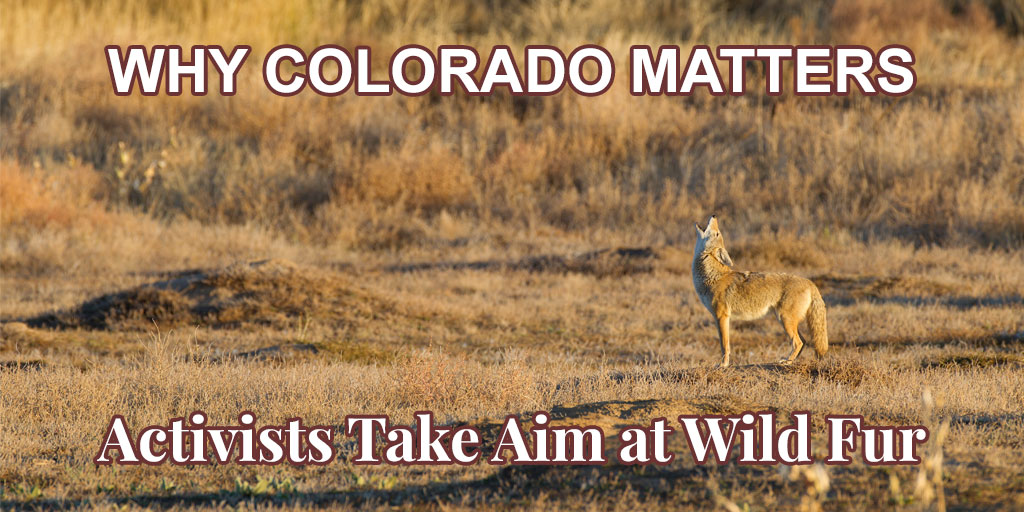
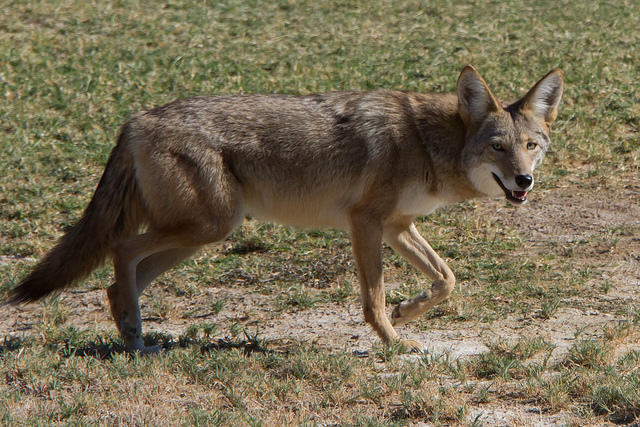
A coyote howls in Rocky Mountain Arsenal National Wildlife Refuge. Photo: USFWS Mountain-Prairie, Public domain, via Wikimedia Commons.
You may recall that Coloradans recently defeated an anti-fur ballot initiative, and probably assume that the state is safe for now. But your assumption would be wrong. Now opponents of fur are looking to introduce a statewide ban on the sale of all wild fur – something they've not tried in the past.
That battle, which garnered a lot of news coverage, especially for the slogan "Hands off our hats", sent a clear message that most Coloradans would not stand for animal rights groups telling them what they could and couldn't trade. But perhaps the message was not clear enough. Now a petition from the anti-fur Center for Biological Diversity has accused the Colorado Parks and Wildlife Commission (CPWC) of violating sound conservation practices, with the aim of forcing a statewide ban on all trade in wild fur.
Attacking Wild Fur
As Executive Director of the Fur Institute of Canada (FIC), I frequently attend meetings, auctions, trade shows and the like, across Canada and around the world, where fur is the number one topic of conversation. But at many of these events, I am also in a minority. Why? Because our organization represents the interests of all kinds of fur, including wild fur.
Much of the global fur trade deals only with ranch fur. Many designers and manufacturers, for example, are concerned above all with the different colour phases of ranch foxes and mink, but have no interest in where or when the best coyotes are harvested. (This reality is also why fur ranchers attract so much attention from anti-fur activists.)
When combined with the strong and easily understood arguments in favour of regulated trapping, this explains why many folk assume wild fur is comparatively “safe”. Trapping plays a key role in wildlife management, it's an important part of livelihoods for Indigenous communities, and its heritage underpins so much of our shared history across North America.
But that idea is now being challenged in Colorado. If successful, the anti-fur lobby will use the CPWC to introduce a statewide ban on the sale, trade and bartering of all wild fur.
Over the last 40 years or so, trappers have grown used to attacks that focus on the welfare of individual animals caught in traps, but this time things are different.
This time, the aim of the anti-fur lobby is not to attack wild fur for how it's harvested, but rather to claim that the mere act of trapping violates the North American Model of Conservation, as spelled out by the Association of Fish and Wildlife Agencies.
When the CPWC meets next on March 4–5, it will discuss a proposal from the Center for Biological Diversity that says the state's current science-driven regulations are not fit for purpose, and that there needs to be a statewide commercial ban on wild fur.
As a community, we must stand together against efforts to restrict, reduce or eliminate the fur trade. That includes trappers, hunters, farmers, ranchers, First Nations, rural landowners, fur buyers, manufacturers, retailers, designers and artisans, from all parts of North America. Everyone who enjoys our world-class garments and accessories needs to be heard.
Both the FIC and the CRWM firmly believe that by standing together, we can be far more than the sum of our parts. Now is the time for all of us to support efforts to keep commercial fur trapping alive in Colorado. And that is why the FIC will be joining CRWM in Denver next week, giving voice to all Canadians who support science-based, well-regulated wildlife management.
the Citizen Petition Form "Prohibiting the sale of furbearer furs with exemptions", June 16, 2025;
"Petition to amend 2 CCR 406-018 to prohibit the commercial sale of wildlife fur in Colorado", submitted by the Center for Biological Diversity, June 16, 2025; and
the recommendation to deny the above petition submitted by the Division of Parks and Wildlife, Department of Natural Resources, February 19, 2026.
Okanagan Valley, British Columbia, is a unique experience for visitors with its high desert environment, vast orchards and lush vineyards. It… Read More
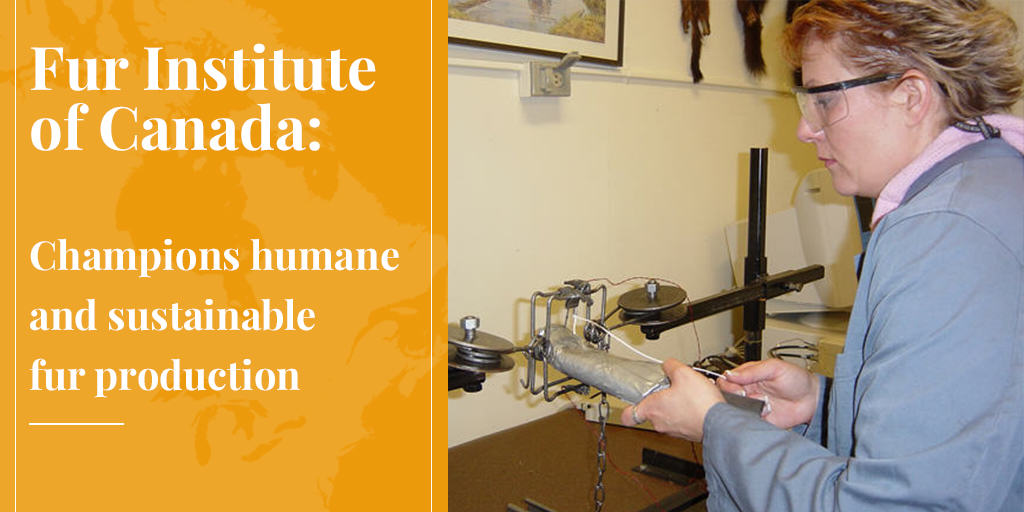
Trap research is central to the Fur Institute's mission of promoting humane, sustainable fur. Here mechanical simulation tests the velocity of a rotating jaw trap.
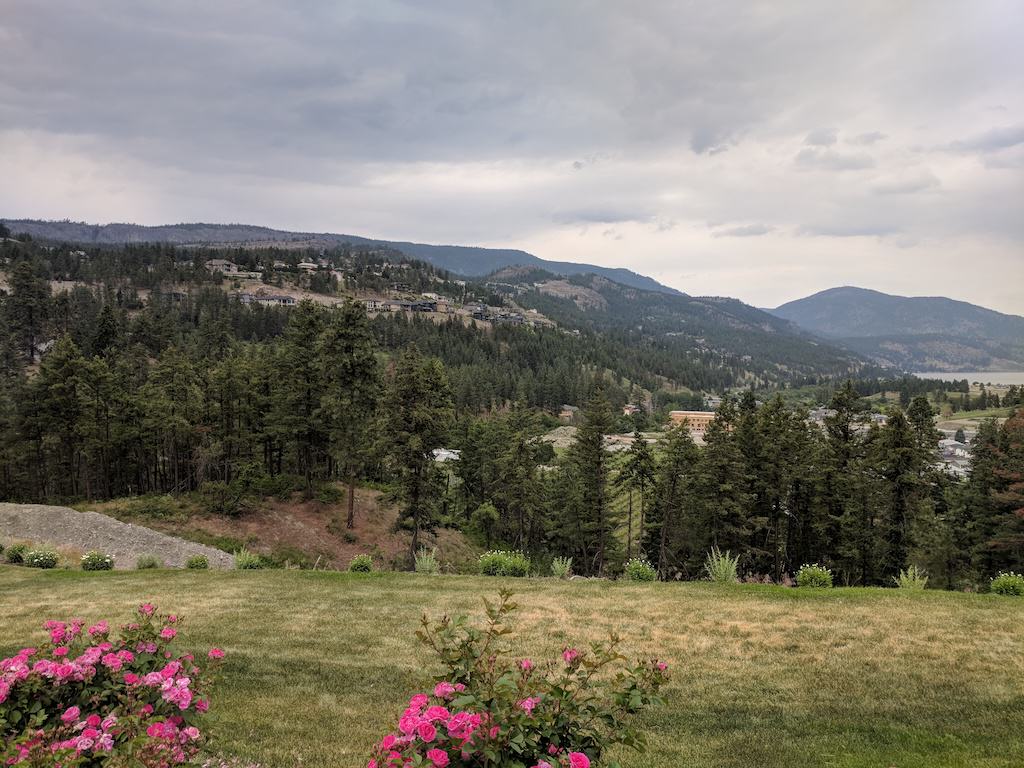
Okanagan Valley, British Columbia, is a unique experience for visitors with its high desert environment, vast orchards and lush vineyards. It also provides a fertile backdrop for talks about Canada's abundant wild furbearers and the production of humane and sustainable fur.
The Fur Institute of Canada chose Kelowna, on the shore of Okanagan Lake, for its 2018 Annual General Meeting this past June 4-9. This was my fourth AGM, following the ones in Saskatoon, Saskatchewan; Yellowknife in the Northwest Territories; and Montreal. The local representation is always impressive, the people are always interesting, and year over year, the growth and changes in the organization are great to see.
This meeting also provided a great opportunity to take in the diverse ecosystems of the BC interior, unlike most any in the world. Kelowna catches you by surprise with its “bowl like” feel of being surrounded by hills in an arid, desert-like setting. The cab driver on the ride from the airport said it had only rained once or twice in the past month.
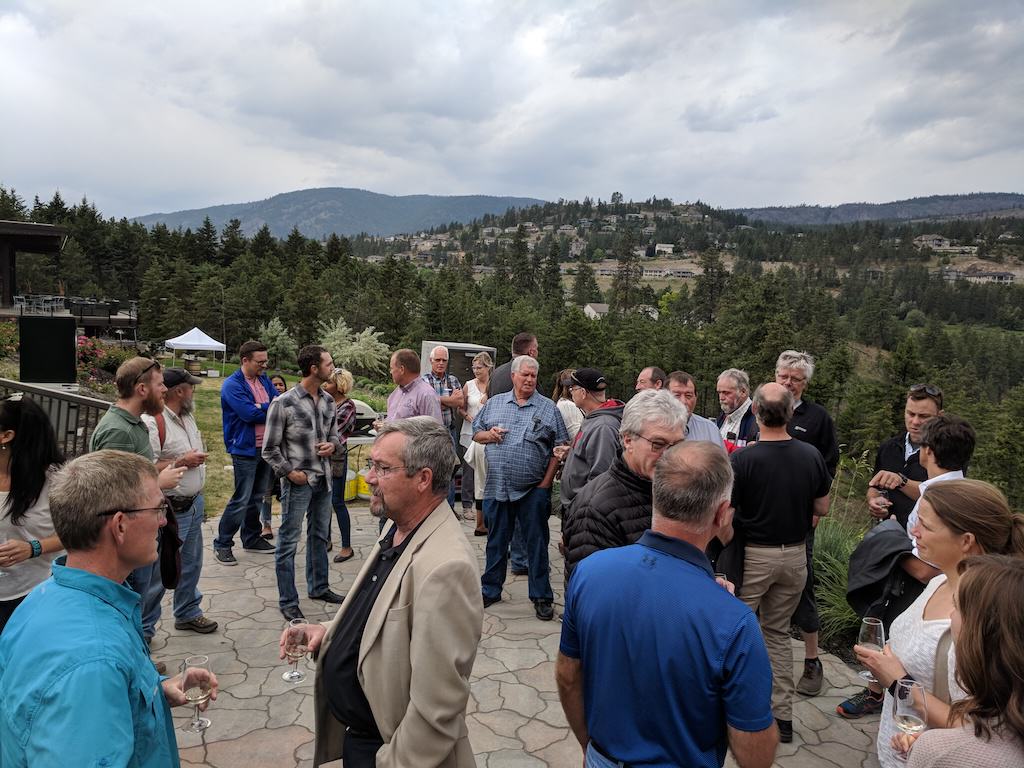
Having largely grown up in the Ottawa area, seeing new areas of Canada is one of the pleasures of these meetings, and other members of the FIC feel the same. Experiencing west coast hospitality in Kelowna was eye-opening and fun. Outstanding was a social evening at Kelowna’s Indigenous World Winery featuring local wines and creative and delicious dishes of seal and various locally harvested wild species.
The beautiful Okanagan Valley is an important regional commercial and agricultural hub and popular for recreational activities.
What Is the Fur Institute of Canada?
The FIC is a not-for-profit organization established in 1983 on the recommendation of government wildlife agencies to bring together the many organizations which form the Canadian fur industry. It is the country’s leader on humane trap research and furbearer conservation, and is the official trap-testing agency for the federal and provincial/territorial governments. The FIC manages Canada’s humane trap research and testing program through InnoTech Alberta, the research centre which provides compound and field testing of traps, computer modelling and other important scientific services. All testing is done in accordance with the Agreement on International Humane Trapping Standards (AIHTS).
While the climate of Kelowna may be dry, the discussions had during the FIC AGM were anything but. The conversation is directed by the FIC’s operational committees covering the key Canadian fur trade issues – trap research and development, sealing, and communications – with members from coast to coast to coast. The AGM provides the most important opportunity of the year for people representing all facets of the trade to meet and discuss the work from the previous year and plan for the future.
Trap Research and Development Committee
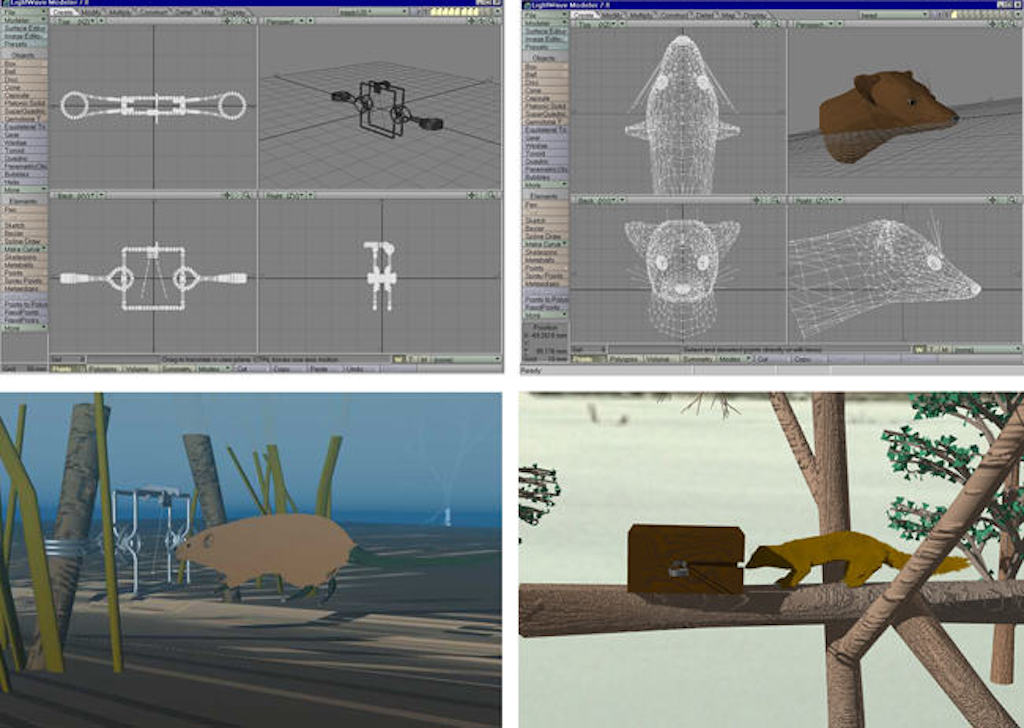
Vegreville, Alberta is home to the world's premier trap research facility, established by the FIC in partnership with the Alberta Research Council. Computer simulations now replace live animals for much of the research. Clockwise from top left: A Conibear 120 quick-kill trap; marten head; running pole set for marten; underwater set for muskrat.
The AGM began with the Trap Research and Development Committee (TRDC). The FIC has been coordinating Canada’s world-leading trap R&D program since it was founded 35 years ago. During that time, $58 million has been invested in this program, with funding from the Canadian government, the International Fur Federation, provincial governments, trappers’ associations and others. This work provided the scientific basis for the AIHTS, as well as being responsible for many changes in provincial and territorial trapping regulations, greatly improving animal welfare across Canada and in many other countries.
Pierre Canac-Marquis, Trap Research Coordinator for the TRDC, presented highlights of trap research over the last year and to be continued in 2018-19, with the approval of the Canadian Wildlife Directors Committee. This research is focusing on two main studies: development and implementation of a new AIHTS testing and rating protocol applicable to leghold-trap certification that would eliminate use of live animals; and a comprehensive study on the functioning and effect of killing neck snares from a field perspective and a veterinarian pathology perspective.
To date, over 200 models of trap have been tested and certified in accordance with AIHTS standards, with virtually all testing having been conducted in Canada. The certified trap list is regularly updated, with five updates in the last year alone, the most recent being on July 1.
“TRDC work at the AGM generated fantastic interest from all participants!” Pierre said after the meeting.
Presentations were also made by veterinary pathologist and TRDC member Dr. Rudi Mueller, and by Dr. Brian Eaton, team leader of the Ecosystem Management Section of Innotech Alberta.
Sealing Committee
The Seals & Sealing Network is the premier on-line source of research, information, and educational resources about the Canadian seal hunt.
The Sealing Committee this year was chaired by Corenna Nuyalia, Nunavut's senior advisor for fishing, sealing and fur programs. Corenna stressed the importance of “domestic marketing that includes public outreach and education with a holistic approach that includes all stakeholders of the sealing industry in Canada to promote seal and seal products."
The Sealing Committee discussed and worked on various projects to make this happen. Keep an eye out for the many projects to come on the Committee's website, Seals & Sealing Network.
Communications Committee
The Communications Committee this year was chaired by Jim Gibb from Ontario, a trapper, certified trapping instructor, former board member of Fur Harvesters Auction, and now a blogger with Truth About Fur. “When you host a face-to-face meeting like this, the networking and discussions that happen in the corridors and over dinner can be just as important as the official meetings themselves, if not more so," said Jim. "It has always been a powerful tool for the FIC to have key members of the industry together in the room discussing ongoing work and issues.”
The Communications Committee was busy this past year, with highlights including new membership tools on the FIC website, and collaboration with the industry to communicate the benefits and assurances of wild fur to retailers. The Committee also prepared and distributed important print materials, like our economic brochure #Canadian Fur, Dollars and Cents, and an updated version of our information booklet Furbearers of Canada, both of which are now ready for distribution to our membership. The Committee has also developed a media training program which will be used to prepare spokespeople in different regions of the country.
At this year's meeting, the Committee elected a new chair, but he’s a very familiar face in our industry. Mike O’Brien, recently retired from the Department of Natural Resources in Nova Scotia, plans to continue building on the Committee's achievements, to improve public understanding of the sustainable use of North America’s furbearers.
New Board Chair
Jim Gibb (far left) was elected to be the new chair of the FIC while Mike O'Brien (seated opposite) takes over as chair of the Communications Committee.
Meanwhile outgoing Communications Committee chair Jim Gibb was elected as the new chair of the FIC's Board of Directors, succeeding Dion Dakins of Carino Processing who stays on as a Board member. Jim explained that his priority will be to develop and implement a plan for succession for the organization. By working with the committees and members, he hopes to engage with younger people to have a new generation ready to work with the FIC, strengthening the organization for the future.
“I look forward to working with all members and committees on the important work they are all doing for the betterment of sustainable use in Canada," Jim said. “The Fur Institute of Canada has many projects ongoing and I hope to tap into what is a vast knowledge base of our membership, wonderful people whether they're from urban centres or the many rural and coastal communities that continue to be directly committed to the cultural and economic benefits of this wonderful industry. We have many challenges, but together I am confident that we can accomplish great things moving forward.”
“When you host a face-to-face meeting like this, the networking and discussions that happen outside of the meeting itself can be just as impactful if not more," says new FIC chair Jim Gibb.
In all, the AGM was successful as the members worked to set up a great game-plan for the coming year. The FIC is the only organization in Canada that brings all facets of the fur industry together and we must utilize that to protect and improve the entire trade. We must continue to improve the trap research program, to develop the media training program and deliver it to our members, and to engage with our trapping associations and members from across the country to build a strong succession for the FIC. This will provide a strong knowledge base and a mandate for years to come.
The time of year is approaching when the main thing on many people’s minds is trapping. But we aren’t just talking… Read More
Montana trapping is under threat. All sportsmen should pull together to protect this right.
The time of year is approaching when the main thing on many people's minds is trapping. But we aren't just talking about where and when to go trapping, or what to say to your boss if you want to skip work to go trapping. We're also talking about a very important Montana trapping ballot coming up on Nov. 8. If it passes, it will ban trapping on the state's public lands. Vote Clinton or vote Trump, that's your decision, but please make sure you vote NO on i-177. The campaign has been primarily funded by out-of-state animal rights groups. If they win this, they'll be one step closer to banning all trapping and hunting, and to their ultimate goal of making us all vegan. We're serious, that is their goal.
Other states are also considering the future of outdoor pursuits, notably Kansas which will soon be voting on whether fishing and hunting are a right or privilege.
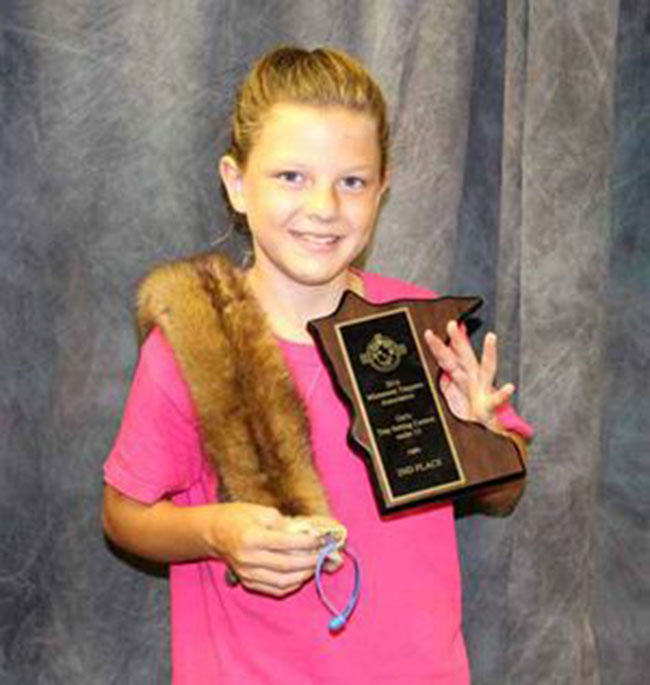
Leah Remer, 10, shows off her plaque from the Minnesota Trappers Association and a pine marten pelt.
Meanwhile, the activists are up to their usual shenanigans. Pamela Anderson is trying to promote her anti-animal-use lifestyle while praising Vladimir Putin. "He loves wildlife," she opines, but he's also an avid hunter. Should someone tell her? And these heartless people hurled abuse at a child with terminal cancer because he wanted to try bullfighting, with one telling him to "just die".
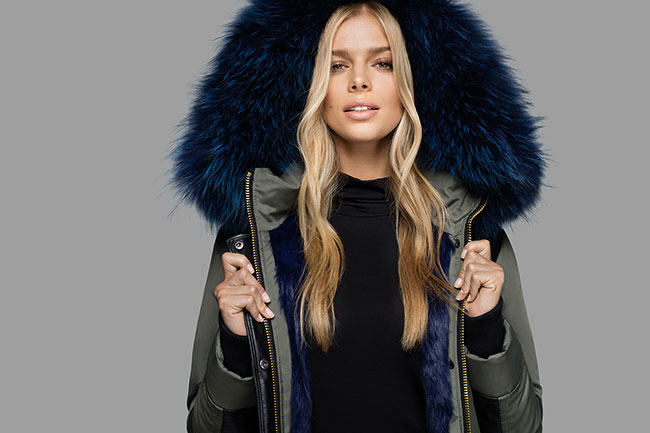
Parkas lined with fox fur are all the rage this winter!
As winter is rolling in, we are thinking about fox fur-lined parkas (above) and otter fur scarves, like the ones the Duke and Duchess of Cambridge wore when they visited Canada in October. And if you know anyone who is on the fence about wearing fur, be sure to share the following TruthAboutFur post. We think it is a pretty clear explanation about Why we must wear leather and fur.
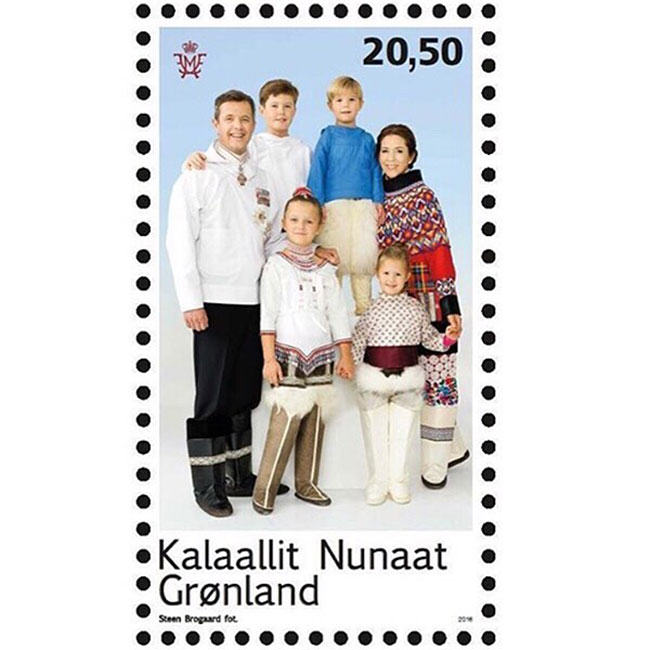
The royal family of Greenland resplendent in seal skin!
Other articles that caught our eye included this one about the cost of groceries in the far north of Canada. We hope this makes activists think twice about criticizing the way of life up there, including the hunting. One of our contributing editors was a guest on a fashion podcast and talked about the fur trade. We've got your wildlife lesson sorted for this month with some interesting information about mink and bobcats. And our fur photo of the month award goes to the Royal Family of Denmark, who were photographed in seal skin for the latest Greenland stamp (above). Animal rights activists were not impressed but we certainly were.
The TV news item was about the upcoming duck season, and the soundtrack in the background was a recording of… Read More
I've watched a dozen movies where they show a flock of cranes in a V formation accompanied by goose music!
The TV news item was about the upcoming duck season, and the soundtrack in the background was a recording of somebody blowing a duck caller. The calling wasn’t bad, but what ruined it for me was the film clip they were running to illustrate duck hunting.
They were filming a flock of coots.
Unfortunately, that sort of stuff is pretty common on today’s television and movie programming. Pay attention, and you’ll see it all the time. I bet I’ve watched a dozen movies where they show a flock of cranes or ibises or some other species that flies in a V formation, accompanied by an overlaid soundtrack of - you guessed it - goose music.
Things like this are laughable, but they ought to also serve as warning flags. Every instance should remind us that not everyone is as knowledgeable about things outdoors as we are, and that simple but profound fact can (and often does) come back to bite us. In fact, the general lack of knowledge of the public about nature might well be the biggest problem we trappers, hunters and anglers face.
Sure, there are plenty of other things for us to worry about - loss of habitat to urban encroachment, shrinking access to public and private land, decreasing recruitment of young people into the outdoor lifestyle we know and love. But at the end of the day, none of those things will matter if our legal right to trap gets taken away at the ballot box.
And slowly but surely, that’s what’s happening. This year, for example, there was a petition drive in Montana to get an initiative on the November ballot prohibiting trapping on any public land in that state. (See Toby Walrath’s piece in the November 2013 issue of Trapper & Predator Caller for more on that.) They failed to get sufficient signatures this time, but if this thing passes in the future, more than a third of Montana would be closed to trapping.
Montana wouldn’t be the first state where it’s happened, either. It’s already against the law to trap on public land in Arizona and Colorado, and trappers have been so restricted and legislation-crippled in states like California, Florida, Massachusetts and New Jersey that I swear I can’t understand why any trapper would live there.
Coots Instead of Ducks, Cranes Instead of Geese
The reason this has happened, and the reason it continues to be a threat, goes right back to that coots instead of ducks, cranes instead of geese thing - a widespread lack of knowledge in the non-hunting, non-trapping public about all things wild. Most of these folks aren’t necessarily against hunting or trapping. They’re not anorexic, wild-eyed vegans. They eat meat just like we do. Nor are they stupid. They just have no interest in hunting or trapping. That’s all. And so they don’t bother to learn anything about it.
But they care about wildlife in an abstract, feel-good sort of way, and that’s why they’re susceptible to the exaggerations, half-truths and flat-out lies the zealots on the bunny-hugger side of the fence keep throwing at them. For example, it’s true what the anti’s say, that the lion does sometimes lay down with the lamb. But what the anti’s always forget to mention is that the reason the lion does so is so it can more comfortably eat the lamb.
It’s up to us to stop this brainwashing of the non-hunting, non-trapping public, and the most effective way to do it is personal communication. Every trapper has many friends and family members who don’t hunt or trap. These folks would be more inclined to believe us than they would be to believe some complete stranger telling them trapping and hunting are evil. However, they won’t get our side of the story unless we tell them.
Are you doing that with your friends and relatives? If so, thanks very much, and keep up the good work.
Wildlife experts say there are 20 times more raccoons sharing human habitation space in North America than 70 years ago…. Read More
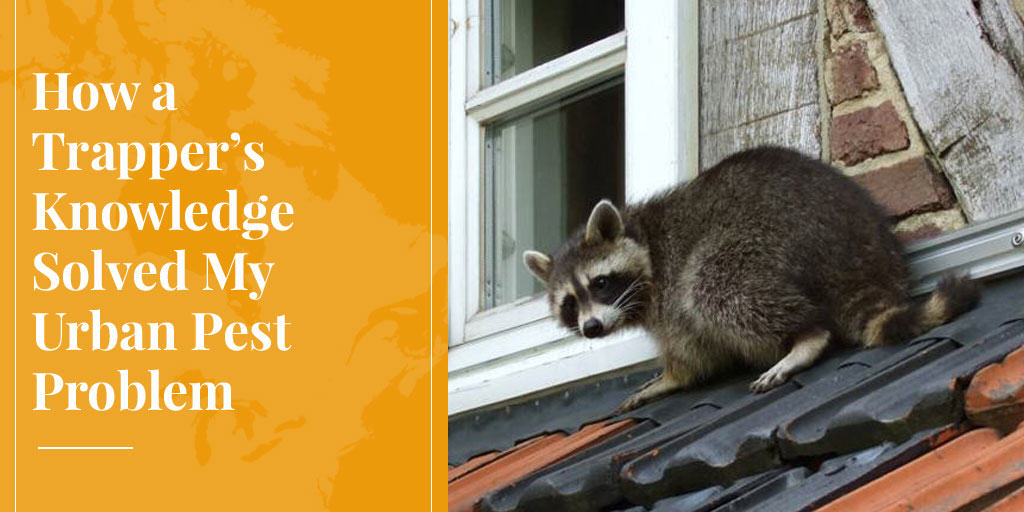
Wildlife experts say there are 20 times more raccoons sharing human habitation space in North America than 70 years ago. In Toronto, where I live, this urban pest reportedly numbers up to 150 per square kilometre, mostly in residential neighbourhoods, not parks and ravines.
I haven’t counted for myself, but these numbers seem credible. As a resident of the “raccoon capital of the world”, I live in close quarters with these pesky masked bandits.
I have been cleaning up the aftermath of garbage bin raids since childhood. On more than one occasion I’ve had to shoo a well-fed raccoon away from the pet dish and out of my house! Battling and fixing their destruction of home and garden has cost me more time and money than I care to remember. And I learned long ago that raccoons cannot be toilet trained, so I have grown accustomed to scooping the poop left on my deck most summer mornings.
Toronto's raccoon policy, like that of the state of Ontario, is live-and-let-live. The city suggests that homeowners discourage nocturnal visits by keeping trash locked up and “raccoon proofing” fruit and vegetable gardens, which I do. But when I discovered last spring that my eaves were being used for a maternity den, it was time to seek professional advice – so I tracked down a licenced trapper.
Trappers Understand Urban Pests
Of course, there is no shortage of “pest control” companies in the raccoon capital of the world. Their services invariably involve setting cage traps to capture, move and release problem animals. Unlike licenced trappers, however, people working for these companies do not require training in the use of humane-certified traps. Yes, even cage traps can be cruel when misused.
Over the years, I have heard some real horror stories about these services. One particularly gruesome tale involved bear spray (pepper spray to most of us) that nearly blinded the unfortunate raccoon.
I am not saying that all these companies follow bad practices, but I prefer to get my advice from the best experts available. So that’s where I went.
All I wanted was the name of a reputable nuisance-wildlife control company. What the trapper provided instead was a relatively easy solution that involved no traps at all. No raccoons were stressed in the process – although my acrophobic husband was required to climb a ladder several times.
The consultation began with a lesson in “Raccoon Behaviour 101”. The trapper explained that a mother raccoon will usually have 2-3 den sites. Persuading unwanted tenants to leave is much easier when they have somewhere else to go!
He also explained that, once the cubs are a few weeks old, the whole family will leave their den as a group to get water every day. So, following the trapper’s instructions, we covered the entry hole under our roof with a piece of loose cardboard. When the cardboard was moved, we’d know they had all left to get a drink. Then – using screws, not nails that raccoons can pry out – we boarded up the hole before they returned. It worked like a charm. My unwanted house guests simply moved (hopefully not to someone else’s house) and my problem was solved.
Anti-trapping activists often complain that trappers are only interested in using lethal methods to control urban wildlife. My own experience shows that nothing could be further from the truth.
It’s no secret that fur was one of the hottest trends of the season with a presence in most major… Read More
It's no secret that fur was one of the hottest trends of the season with a presence in most major runway shows. But fur is more than just fashionable, it is also one of the most sustainably-produced natural resources on the planet. Furs such as coyote, fox, beaver and muskrat have been used for centuries to provide warmth and incredible versatility. And when these furs are used responsibly, it's not just the fashion industry that thrives, our natural environment benefits too!
Why trapping?
Nature, like most things, requires balance. This balance today includes the coexistence of humans and animals, and the modern fur trade plays a role in helping to maintain this relationship. Without regulated trapping and hunting to manage the size of wildlife populations, many ecosystems would be drastically affected. Regulated trapping is also often necessary to protect property and natural habitat, and to protect both humans and wildlife from disease. Let’s look at a couple of examples.
Leave it to Beaver!
The historical fur trade that led to the foundation of many of our towns and cities was fueled, above all, by the beaver. After more than 400 years of commercial fur trading in North America, biologists tell us that beavers are as abundant as they were when Europeans first arrived here – thanks to modern trapping regulations. However, too many beaver can be as much a problem as too few beavers. Left unmanaged, beaver populations will keep increasing until they eat themselves out of house and home.
Once vegetation is destroyed, it will take many years before beavers can return to the region. With regulated trapping, beaver populations are maintained in balance with available habitat – they are more stable and healthier. Furthermore, overabundant beavers can flood homes, roads, fields and forest habitat. Much better that we use some of what nature provides!
One of the first furs to be used for clothing by First Nations people, beaver is still widely used today by some of the top designers. Specifically, on the runway this year, Givenchy has used beaver to create a sleek bomber jacket, Haider Ackermann showed a monochrome coat while Chloé featured a spectacular beaver vest.
Beaver fur played a role at (from left) Givenchy, Chloé and Haider Ackermann. Image via Getty Images
Coyotes get wild!
Coyotes are highly abundant across North America. They adapt well to human proximity and have profited from wolves being pushed out of much of their traditional range. Coyotes, however, can become dangerous when they are overpopulated and lose their fear of humans. In California, where I live, coyotes have been taking pet dogs and cats from backyards! They can also cause serious problems for cattle ranchers and sheep farmers when they prey on young calves and lambs. And overpopulated coyotes are more likely to spread diseases including rabies, tularemia, and hepatitis which can be transmitted to both animals and humans. Regulated trapping seasons help decrease the negative interactions between humans and wildlife – so why not make use of this remarkable natural resource?
Coyote, canus latrans. Image via Dawn Beattie
Coyote fur, warm and dense, is great for making rugged men's jackets. It's beautiful, natural hue has also been popping up in women's accessories and shoes. And, of course, it is the favorite choice for trimming the hoods of down-filled parkas. (Fur trim on your parka hood protects your face from the cold winds of winter like nothing else!)
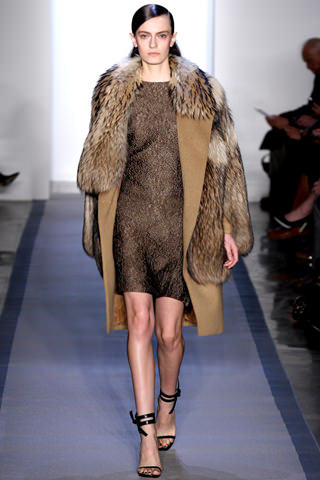
Peter Som - Fall 2012
Think about it!
So here’s the real question: since wild furbearer populations are abundant and, in many cases, must be managed to maintain a balance with available habitat, should we kill these animals and throw them away? Or is it more respectful to use this beautiful natural material?
What do you think?
Manage Consent
To provide the best experiences, we use technologies like cookies to store and/or access device information. Consenting to these technologies will allow us to process data such as browsing behavior or unique IDs on this site. Not consenting or withdrawing consent, may adversely affect certain features and functions.
Functional
Always active
The technical storage or access is strictly necessary for the legitimate purpose of enabling the use of a specific service explicitly requested by the subscriber or user, or for the sole purpose of carrying out the transmission of a communication over an electronic communications network.
Preferences
The technical storage or access is necessary for the legitimate purpose of storing preferences that are not requested by the subscriber or user.
Statistics
The technical storage or access that is used exclusively for statistical purposes.The technical storage or access that is used exclusively for anonymous statistical purposes. Without a subpoena, voluntary compliance on the part of your Internet Service Provider, or additional records from a third party, information stored or retrieved for this purpose alone cannot usually be used to identify you.
Marketing
The technical storage or access is required to create user profiles to send advertising, or to track the user on a website or across several websites for similar marketing purposes.